 Autism & ADHD-friendly music lessons in Manchester
”The music world has always moved too fast for some people. Not here. We believe ADHD, autism, and other learning differences are superpowers waiting to be unleashed through music. That’s why we’ve built a safe, welcoming space where neurodiverse children and adults can learn, grow, and connect — at their own pace, on their own terms. This isn’t just music education. It’s a community.’‘ Neil Maunder – Founder Of Maunder’s School Of Popular Music
Looking for music lessons that work with your child (not against them)? You’re in the right place.
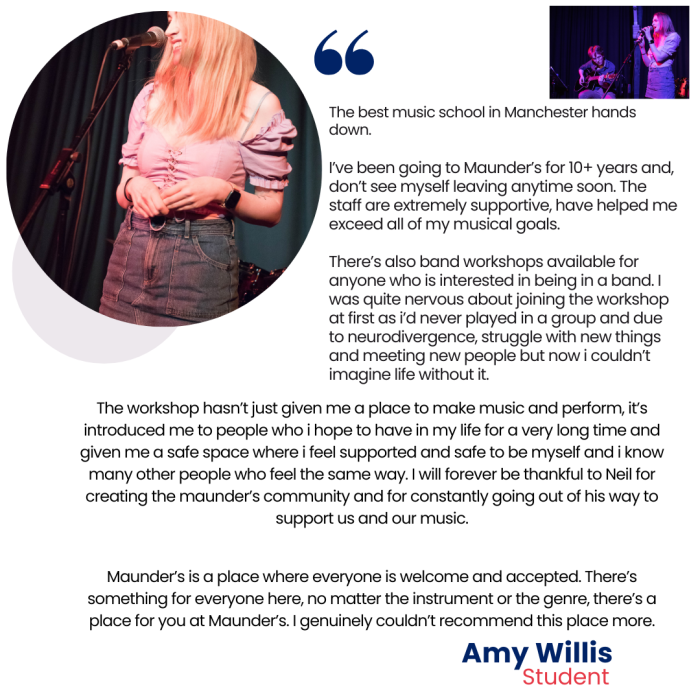
At Maunders School of Popular Music, we teach lots of autistic adults and children with Autism and/or ADHD. Our lessons are structured, supportive and confidence-building — with clear routines, patient coaching, and progress you can actually see over time.
 Why music can be a great fit for Autism & ADHD children? (a neuroscience-informed view)
Every child is different — but music has a few built-in features that often suit neurodivergent learners:
- Predictable structure: lessons can follow a consistent routine, which reduces uncertainty.
- Patterns + repetition: music is full of patterns (rhythm, chords, melodies) that can be practised in small steps.
- Rhythm and timing: keeping a beat can support coordination and sustained attention.
- Working memory: learning short musical phrases and building them up gradually can strengthen “hold and use” skills.
- Emotional expression: music can be a safe outlet — especially on days when talking is harder.
Important: We’re not claiming music lessons “treat” autism or ADHD. We’re saying music can be a practical, positive way to support confidence, focus, communication and self-expression in the right environment.
What “autism & ADHD-friendly” looks like at Maunders
A lot of parents come to us after trying activities that were too loud, too chaotic, too strict — or just not flexible enough.
Here’s what we focus on:
- Clear lesson routines (so your child knows what’s coming next)
- Small, achievable goals (quick wins build confidence)
- Patient pacing (no rushing, no shaming)
- Choice and autonomy (songs, instruments, and how we approach learning)
- Supportive teachers who understand that regulation and attention can vary week to week
Autism & ADHD-friendly music lessons in Manchester – Which instrument is best to start with?
There’s no one “best” instrument — it depends on your child’s interests and sensory preferences.
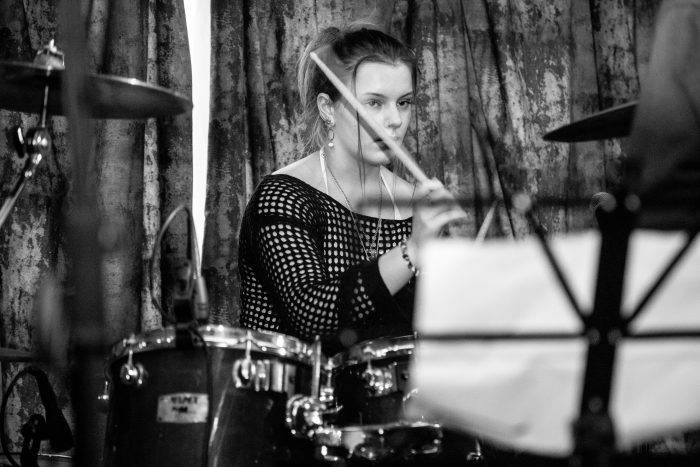
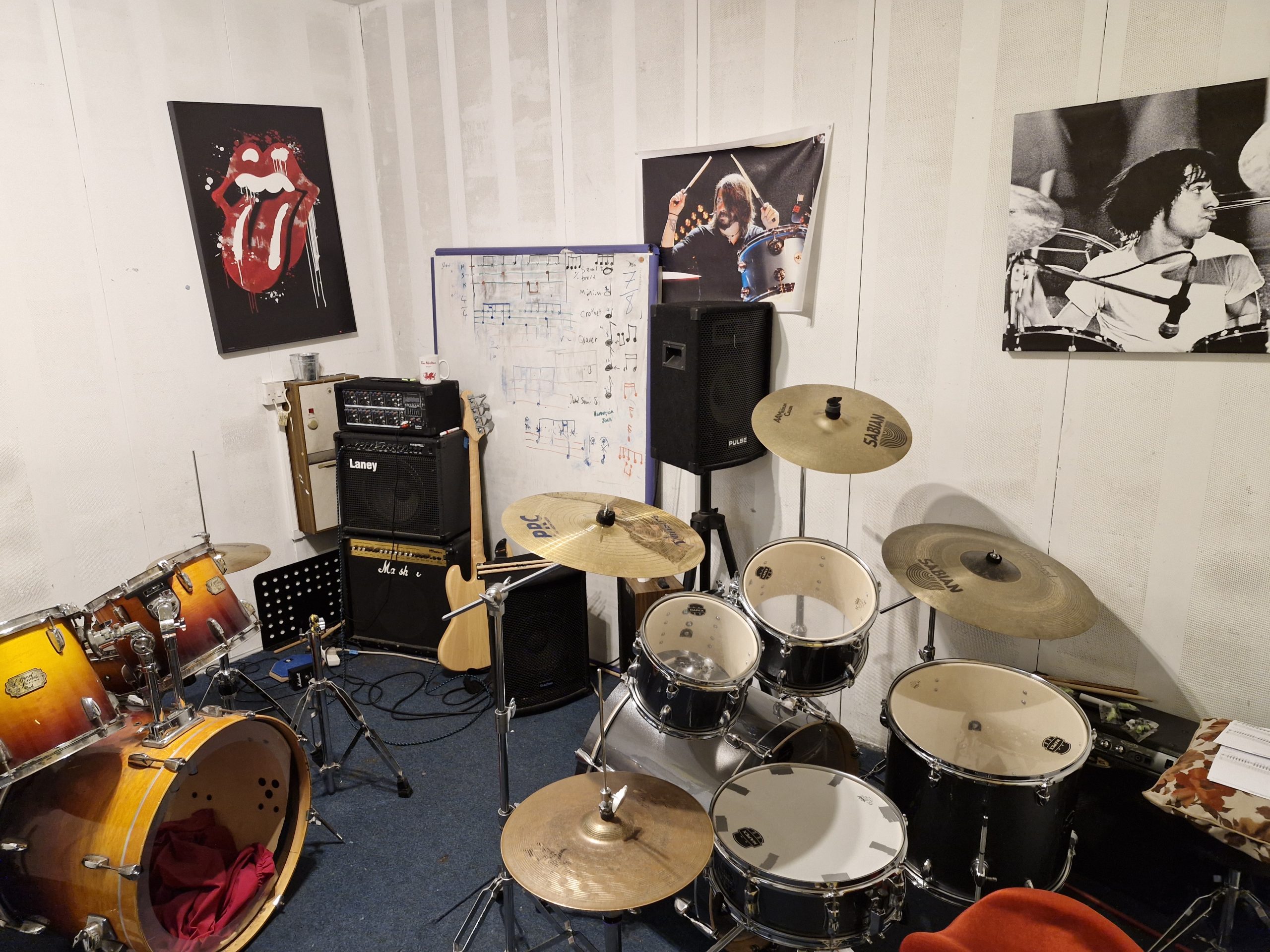
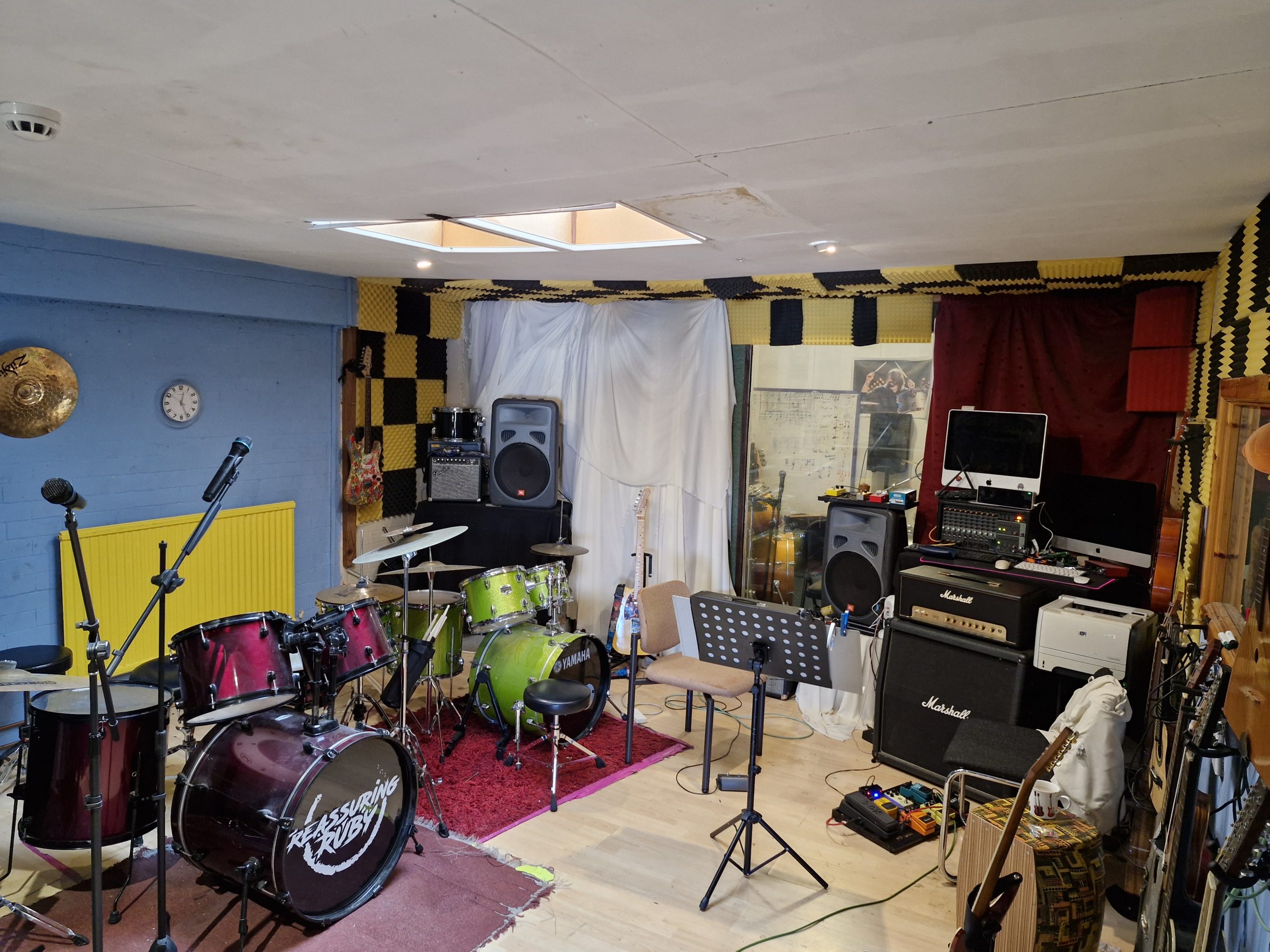
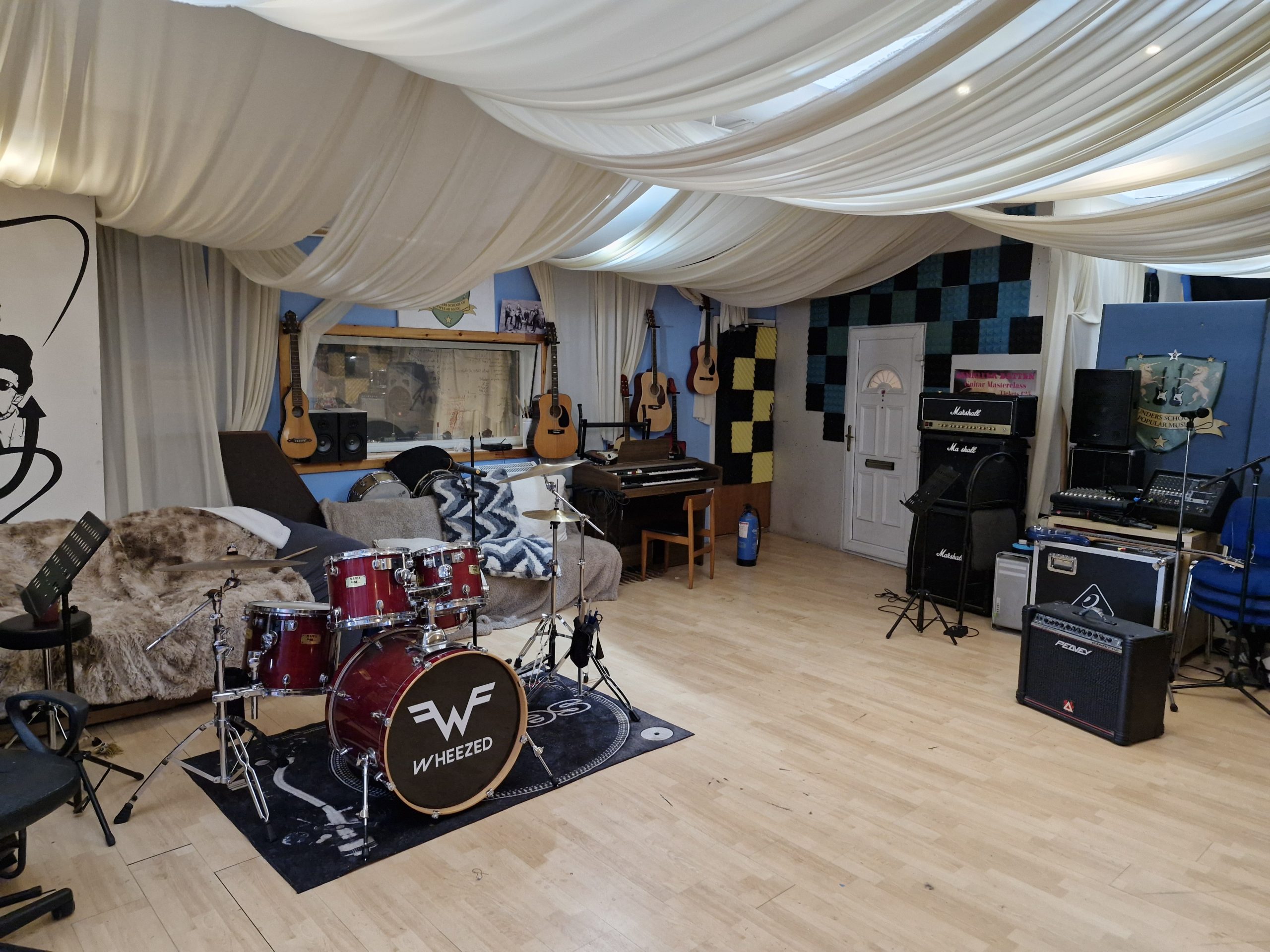
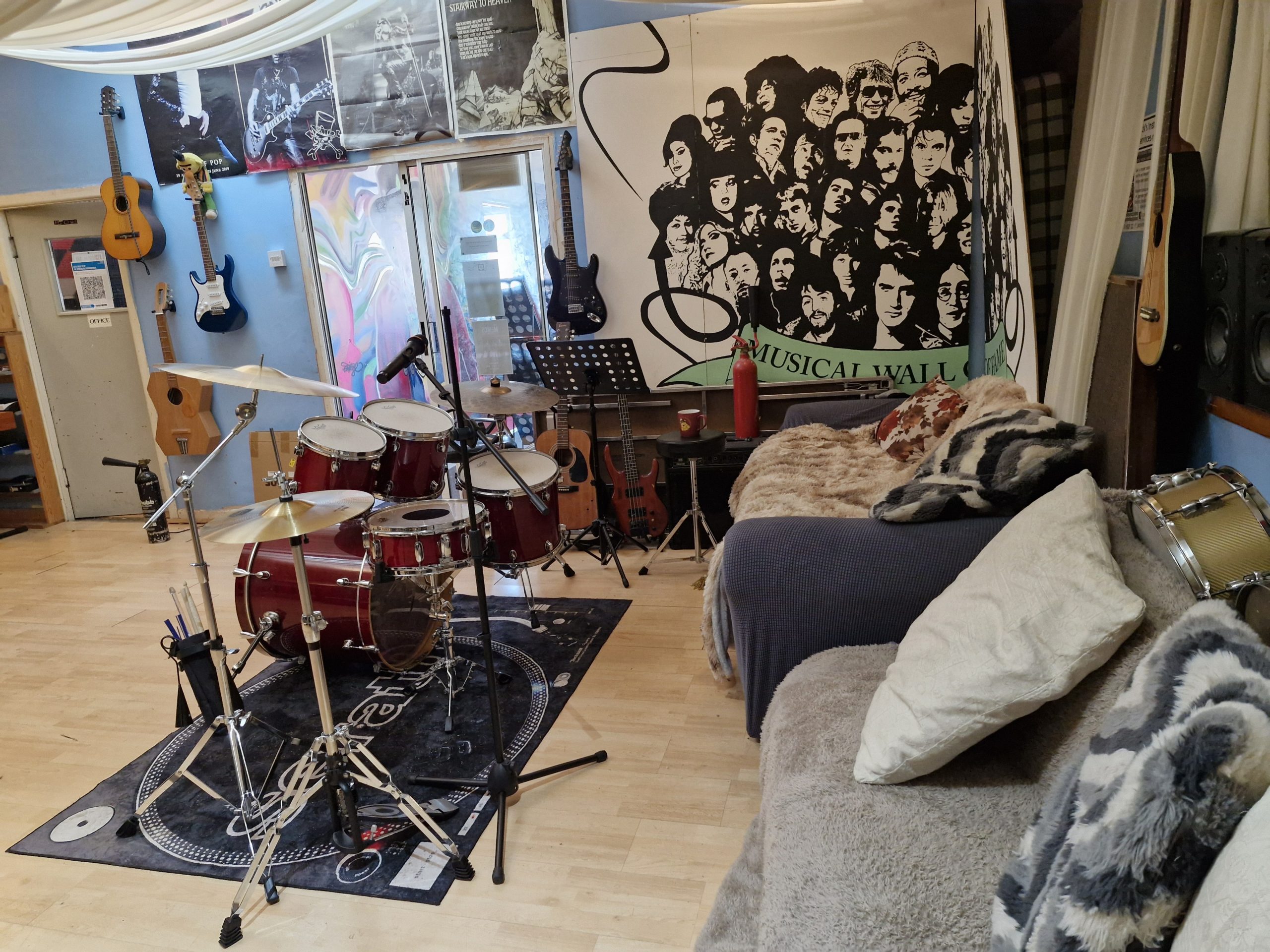
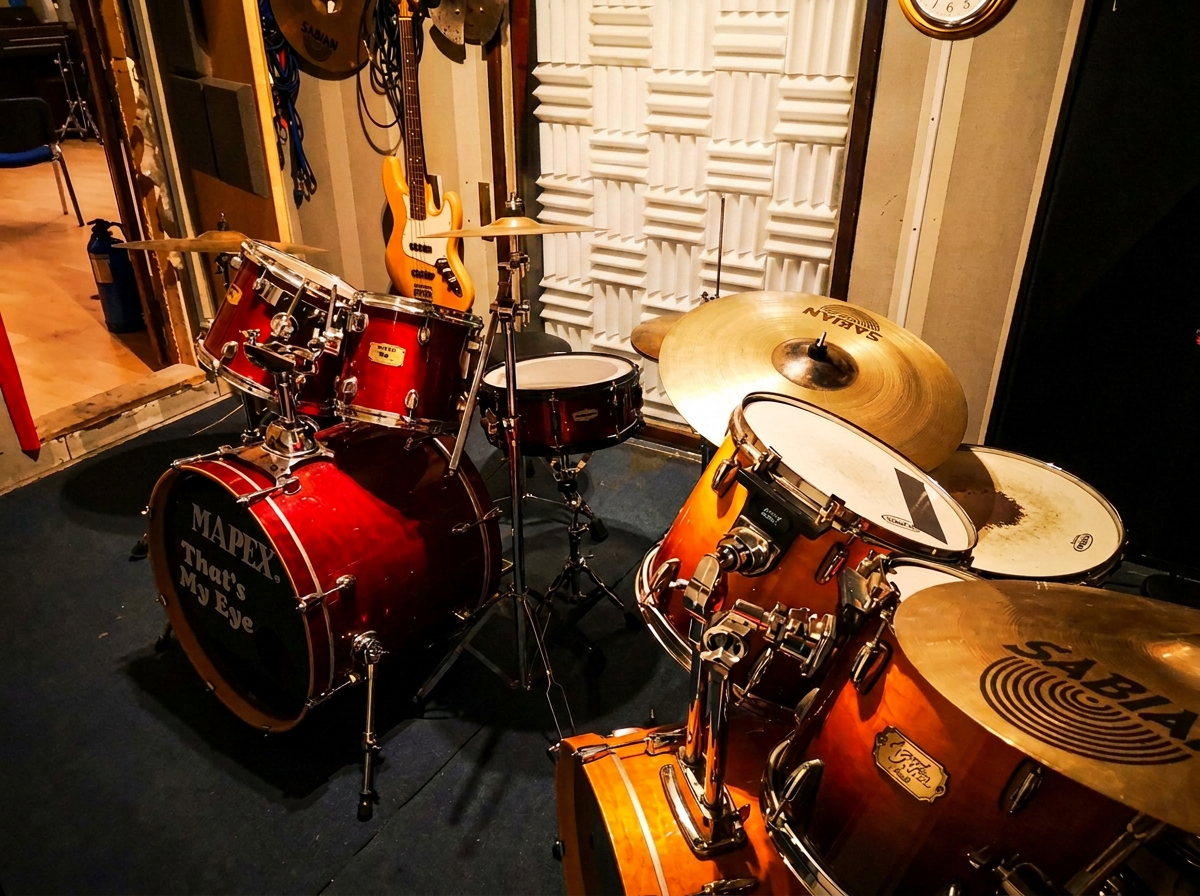
- Drums: great for kids who love movement and rhythm (and want to hit something in a productive way).
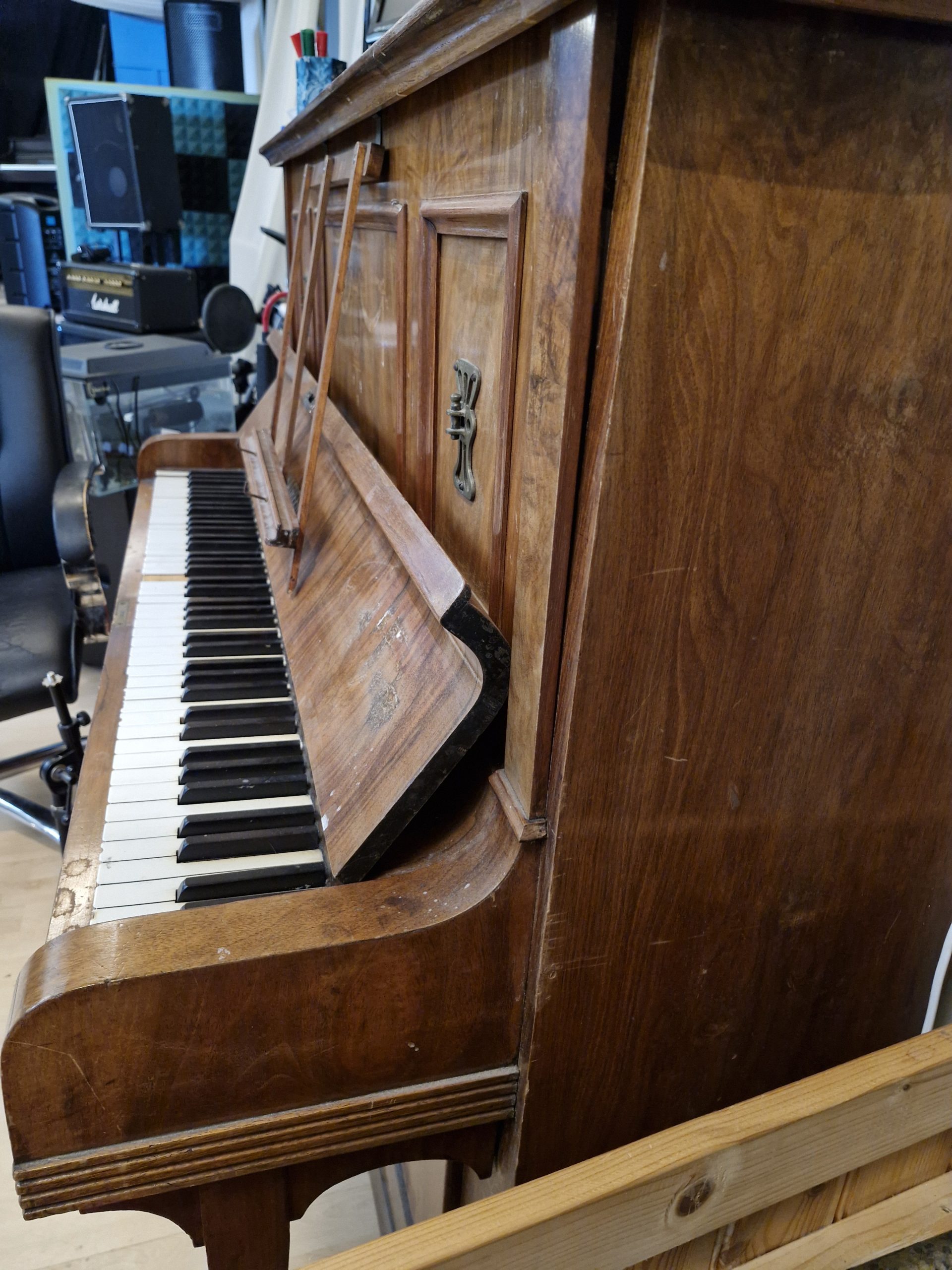
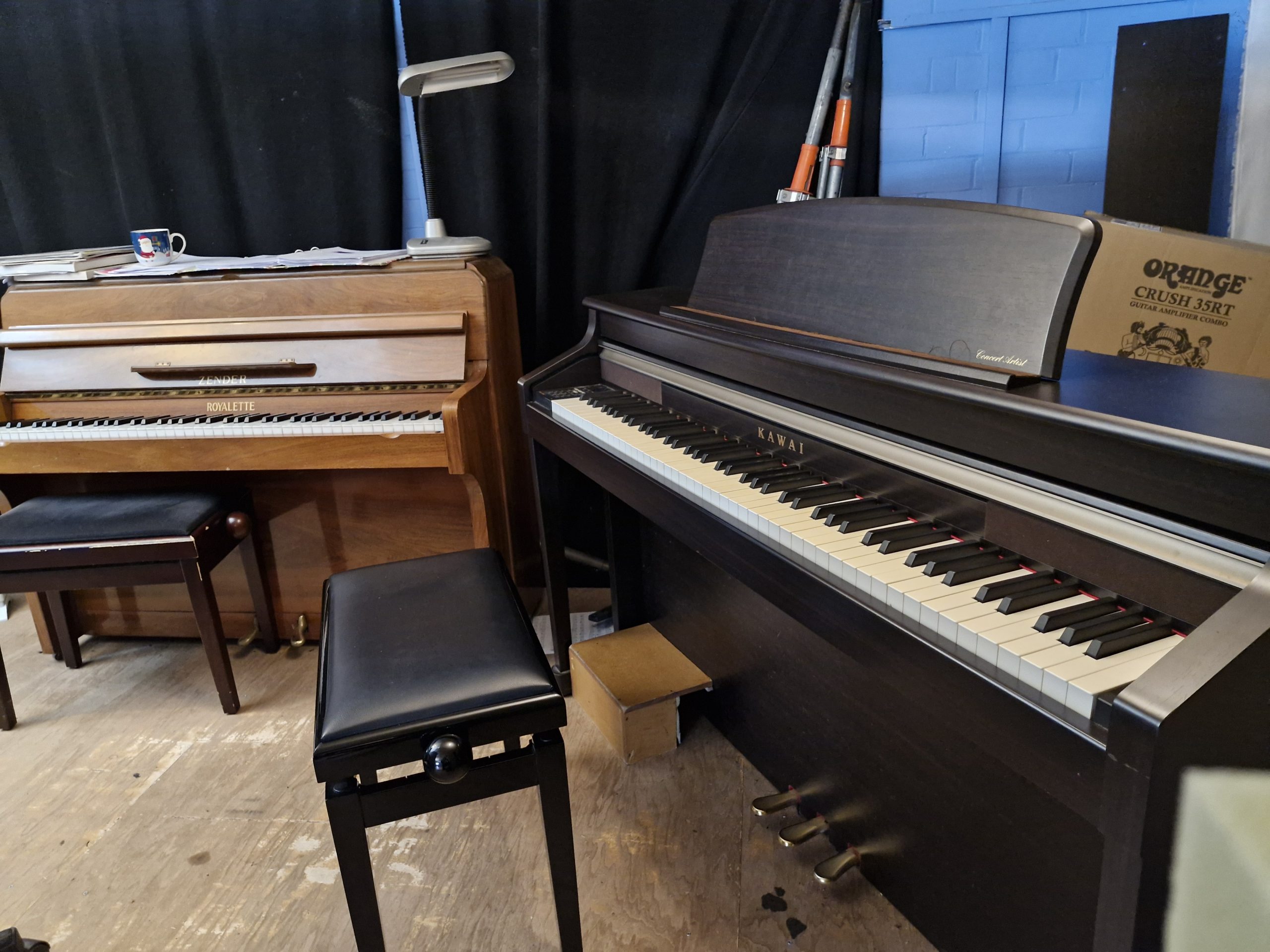
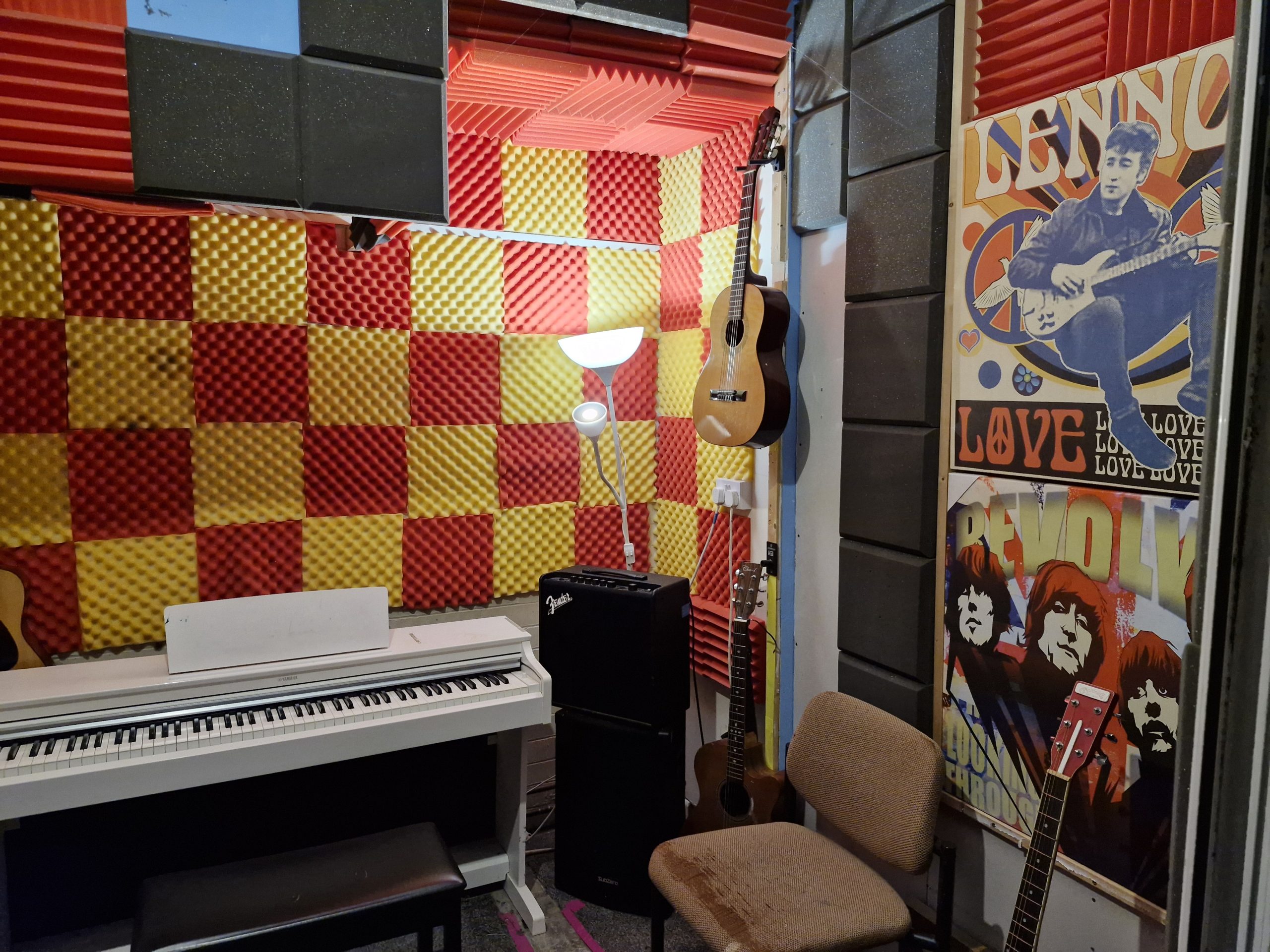
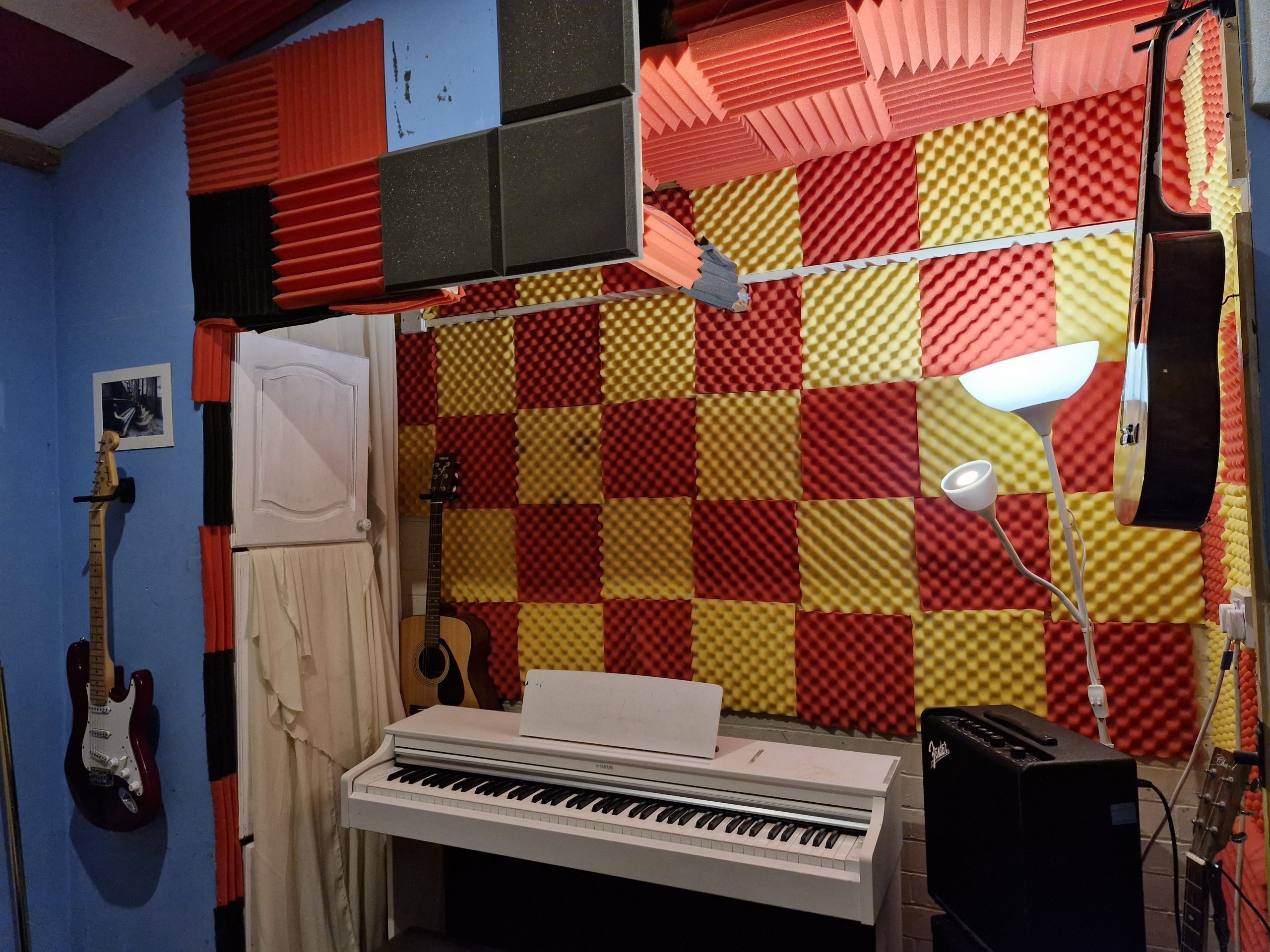
- Piano/keys: visual, structured, and often great for pattern-based learning.
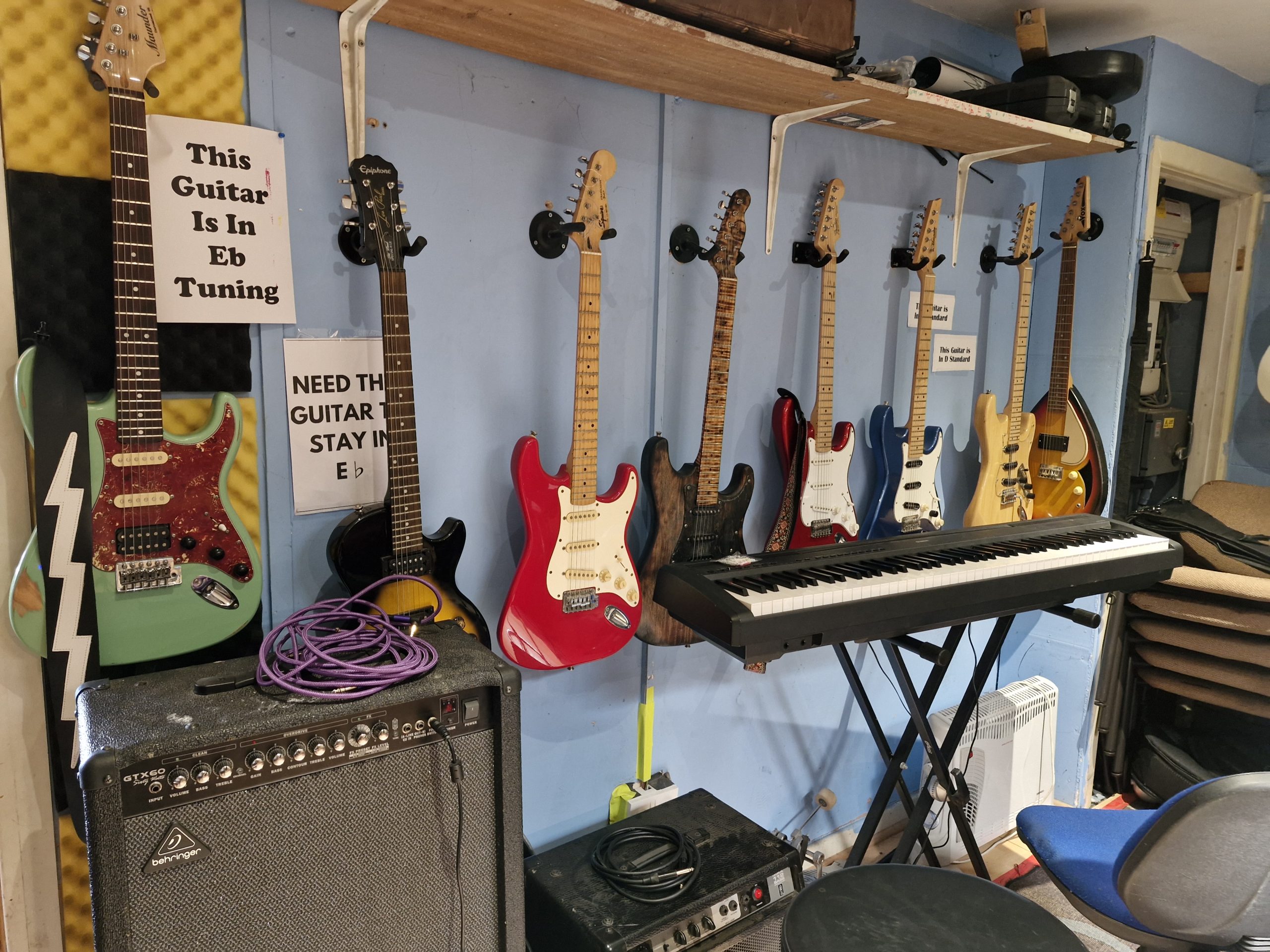
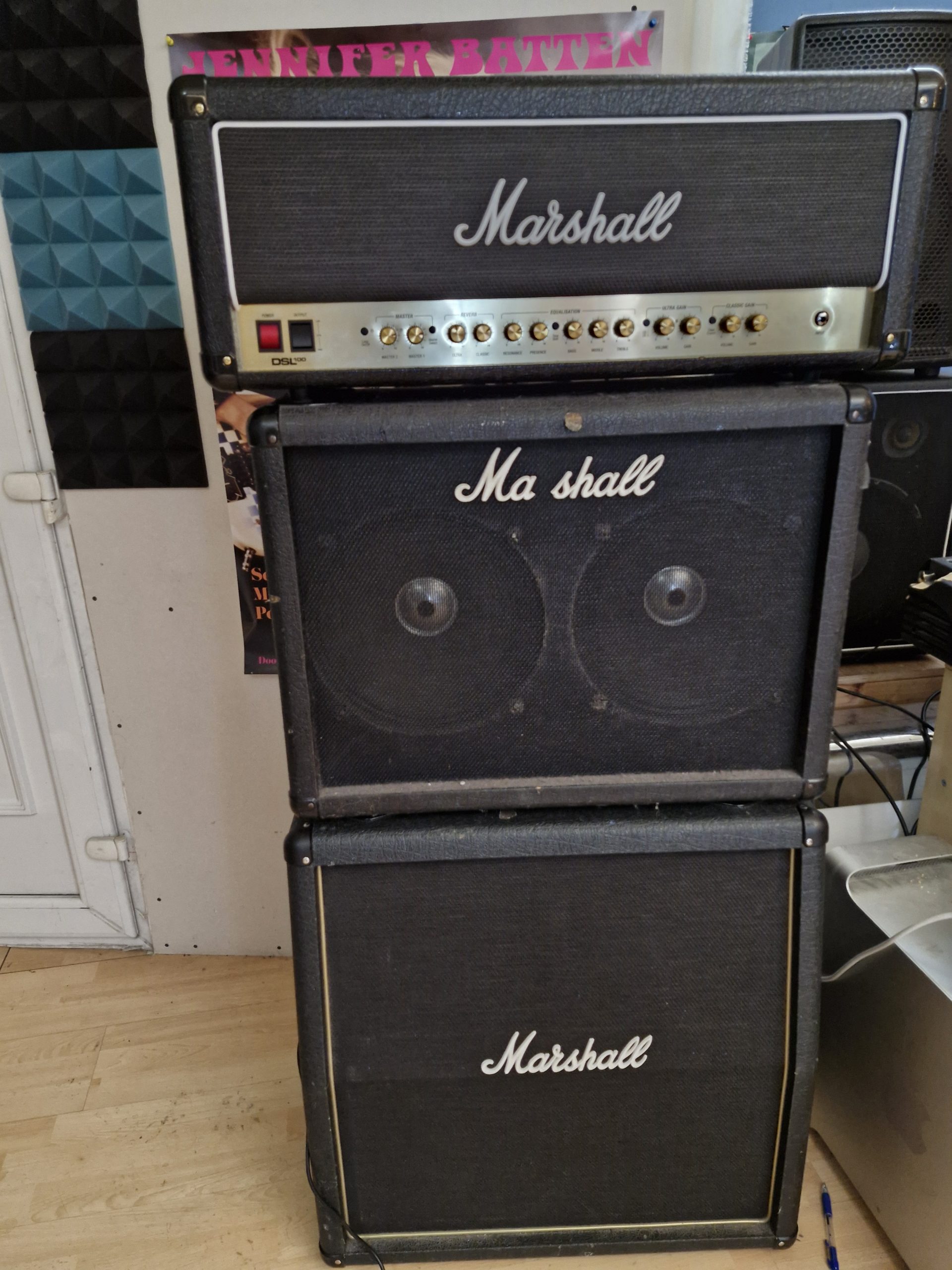
- Guitar/ukulele: brilliant for songs and quick progress, especially for kids motivated by playing along.
- Singing: great for confidence, breathing, expression and performance (at your child’s pace).
Not sure? Book a taster and we’ll help you find the best fit.
Who this is for
- Parents of autistic children
- Parents of children with ADHD
- Parents of children who are anxious, sensitive to pressure, or who need a calmer approach
- Kids who love music but haven’t found the right learning environment yet
What progress can look like
Progress doesn’t always look like “perfect practice charts”.
Sometimes it’s:
- staying in the room calmly for longer
- trying again after a mistake
- building a routine
- finding a song they genuinely connect with
- playing a small section with pride
We’ll aim for musical progress and confidence — without turning lessons into a weekly stress test.
Meet our neurodiversity-friendly tutors”
Meet our autism & ADHD-friendly tutors
These are a few of the tutors parents often ask for when they want a calm, structured, confidence-building approach:
- Neil Maunder – Manager/Owner. Supportive, practical, and great at building routines that help kids settle quickly. Neil has worked with people with different learning needs for 20+ years. (Neil also has ADHD so can easily relate)
- Ellie Leyland – Singing Teacher/Manager. Qualified in special educational needs in the classroom and diversity.
- Minerva Hibbert – Warm, confidence-boosting approach with clear structure and great energy (especially good for kids who respond to positive momentum). Minerva is also diagnosed with ADHD and Autism.
Not sure who to choose? Book a taster and tell us a bit about your child — we’ll match you with the best fit.
”Can 100% back this up. My daughter is learning to play the drums here. She is on the neuro diverse pathway. Her teacher is amazing and over the last 12mths has really excelled in her lessons and performance skills” Sam Hughs

 FAQs
FAQs
Do you need a diagnosis?
No — if your child needs a more structured, supportive approach, that’s enough.
No — if your child needs a more structured, supportive approach, that’s enough.
Can I stay during the lesson?
Often yes, especially at the start. We’ll do what helps your child feel safe and settled.
Often yes, especially at the start. We’ll do what helps your child feel safe and settled.
What if my child struggles to engage on the day?
That happens. We’ll adapt the lesson and keep it positive — consistency over time matters more than one “perfect” session.
That happens. We’ll adapt the lesson and keep it positive — consistency over time matters more than one “perfect” session.
Are lessons loud?
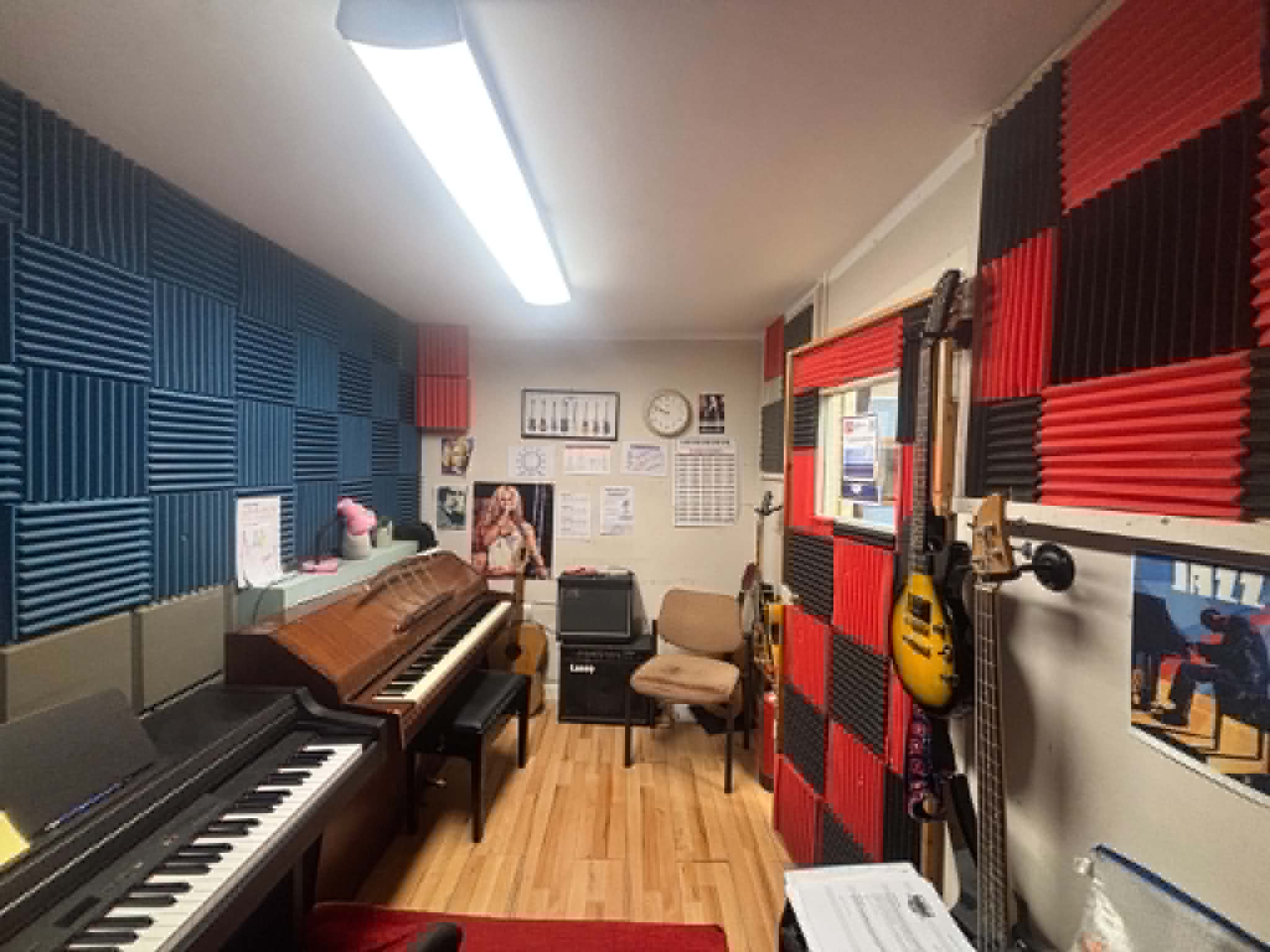
They don’t have to be. We can talk through instrument choice and how we manage volume, especially for drums.
They don’t have to be. We can talk through instrument choice and how we manage volume, especially for drums.


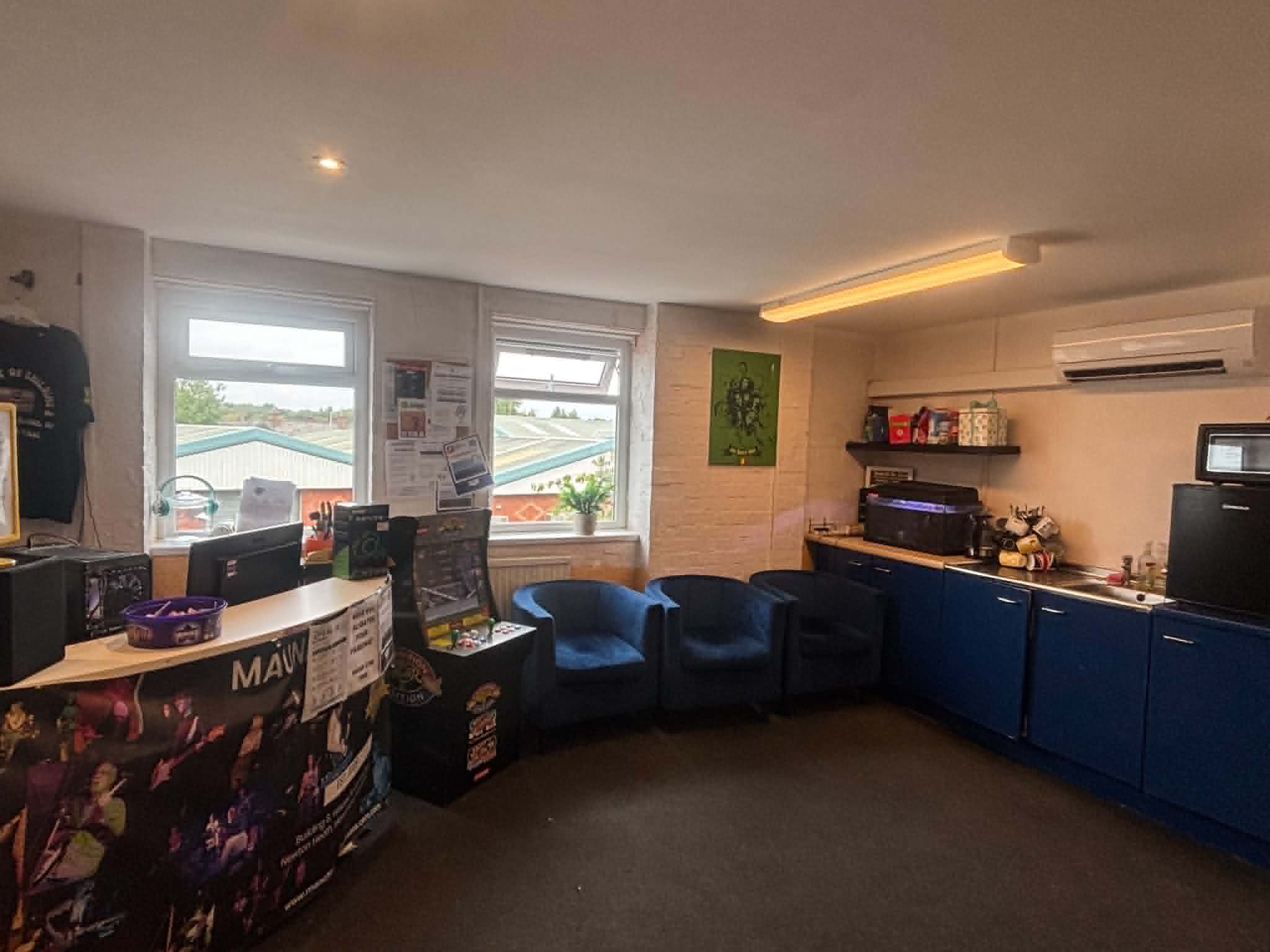
If you’re ready to get started, book a taster lesson and we’ll take it from there.
Book a taster lesson →


Powered by Bookly —
WordPress Booking Plugin